Forgiveness is easy to talk about until you’re the one left with the hurt.
Every one of us has faced a situation where someone we trusted disappointed us or broke our hearts. And when that happens, the last thing we feel like doing is embracing them with joy. Yet, that’s exactly what the father did in the Parable of the Prodigal Son (Luke 15:11–32).
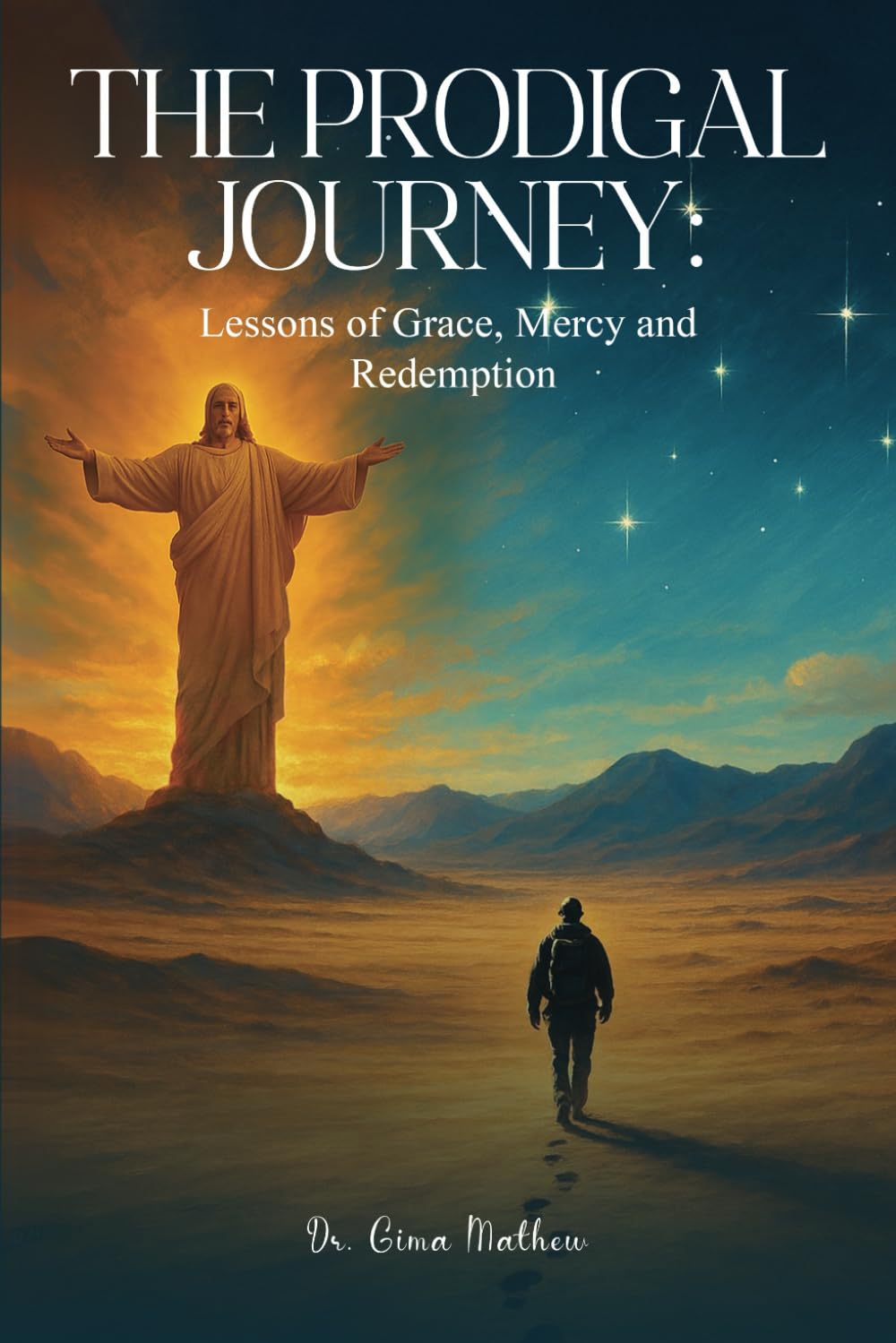
Gima Mathew’s book The Prodigal Journey brings fresh light to this moment. By showing us how the father’s forgiveness was a sound thing we all should do, the book allows us to seek the freedom and healing that comes with it.
Therefore, we need to learn from this radical, unconditional act of grace.
Forgiveness isn’t something we wait to feel. It’s a decision we make. And often, that decision has to be repeated daily until the feelings catch up. The father didn’t wait for his anger to subside. He ran to his son “while he was still a long way off.” That means he had already decided to forgive, long before the apology came.
In The Prodigal Journey, Mathew points out that the father didn’t bring up his son’s past. He didn’t say, “Look what you did,” or “You better not mess up again.” He simply restored him.
We often say we forgive, but then bring up the offense again in future arguments. True forgiveness is a clean slat,e and it doesn’t keep a record of wrongs (1 Corinthians 13:5). If you’re struggling to let go, ask yourself, do I want justice, or do I want peace? Eventually, you’ll discover that the latter is a wiser choice.
The son came back broken and unsure. He was ready to be treated like a servant. But the father didn’t demand restitution or proof of change. Instead, he welcomed him simply because he had returned. Similarly, forgiveness is about embracing the process. People don’t need to prove their worth before we extend grace. Just as God forgave us when we were still sinners (Romans 5:8), we must forgive even when the other person is still in progress.
Forgiveness isn’t the same as enabling toxic behavior. But it also doesn’t mean cutting off everyone who hurts us. The father was wise because he let his son go, but his heart remained open. Similar to this, we should also set healthy boundaries. But we should not build walls so high that no one can reach you. True forgiveness holds space for both accountability and restoration.
Ultimately, forgiving others is not just about them. It is about us becoming more like God. When we forgive, we step into God’s character. We free ourselves from bitterness and live in peace.
Gima Mathew’s words echo the truth that the father in the parable is a mirror of our Heavenly Father. And He calls us not just to receive forgiveness, but to pass it on.
You’re Never Closer to God Than When You Forgive. Forgiveness doesn’t make you weak. It makes you free. And in a world that clings to grudges, the courage to forgive becomes a powerful testimony.
So take the first step and forgive because grace demands it. Like the father, may you be found watching the road, not for revenge, but for restoration.
For more motivation and inspiration, please read The Prodigal Journey. The book is available on Amazon for purcahse: https://www.amazon.com/dp/B0D4X4556D.